Introduction
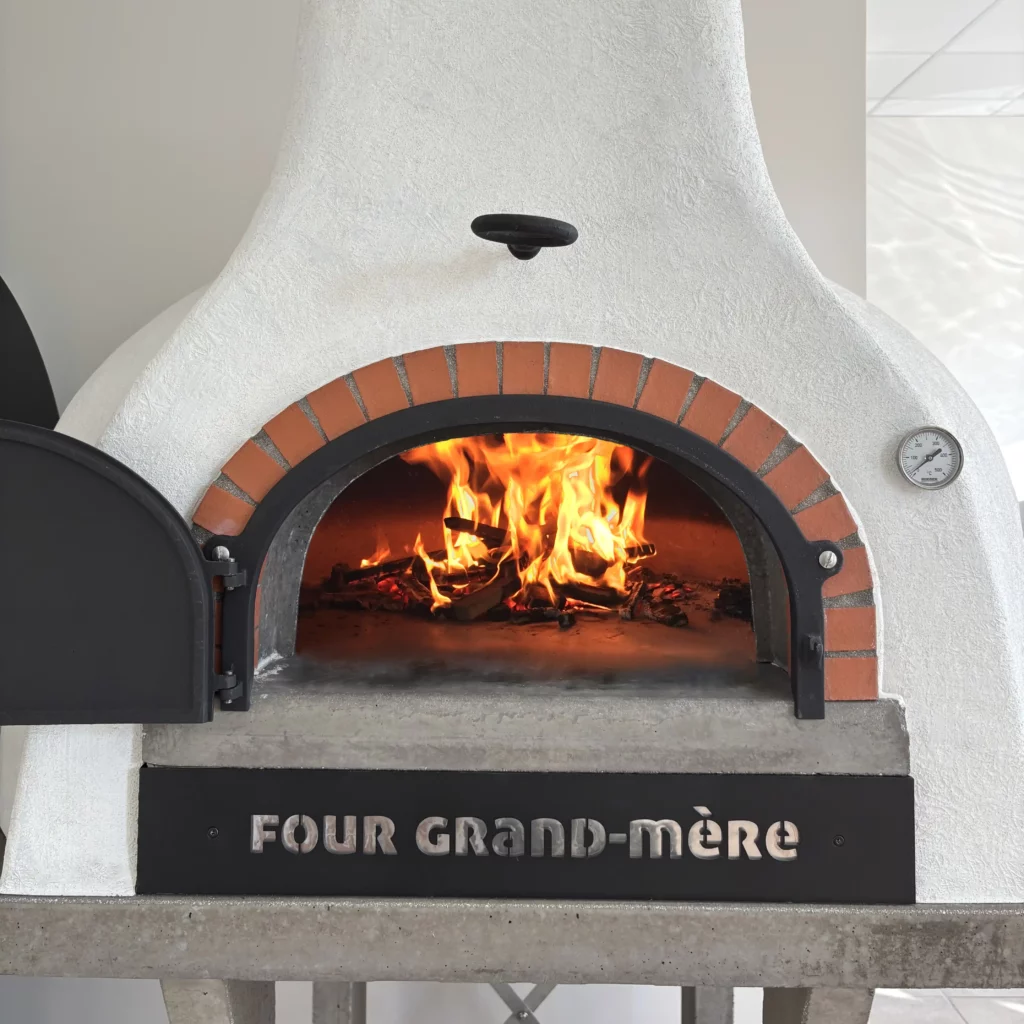
The origins of the wood-fired oven go back thousands of years. The history of wood-fired ovens is closely linked to the history of bread, with some of the earliest archaeological evidence for bread and early baking traditions found in the Near East. In Europe, traces of early ovens and baking practices have also been uncovered in several regions, although some discoveries are still debated and continue to be studied by archaeologists. This long history shows how the wood-fired oven gradually became an essential part of both daily life and culinary tradition.
The first flatbreads and early loaves
Archaeological discoveries show that the earliest communities first ate cereal grains raw, then roasted them. Later, these grains were ground and mixed with water to form a porridge-like mixture that was cooked. Around 3500 BC, settlements along the Nile began making simple flatbreads by placing this mixture on flat stones heated in the embers. In some cases, the thick dough was also baked between layers of hot ash. It was probably by chance that a forgotten piece of dough fermented and, once baked, produced a new food much closer to the bread we know today.
The Egyptian or Hebrew origins of the earliest ovens
As bread dough became more developed, it could no longer be baked like the earliest flatbreads on simple heated stones. This led to the appearance of the first true ovens. Scenes painted in ancient Egyptian tombs show that ovens were already used in the bakeries of the pharaohs, and leavened bread gradually became a staple food throughout Egypt. Early Egyptian ovens were generally simple clay structures, often cylindrical or slightly conical in shape, and loaded from the top. Fired with plant waste such as palm residues and straw, they baked bread against their hot inner walls. Some historians also associate these early ovens with Hebrew traditions of the ancient Near East. Created around 4,000 years ago, this first type of oven paved the way for another major development: the vaulted oven.
Roman wood-fired ovens
Although the vaulted oven is now often referred to as the Roman oven, its invention is generally associated with the Greeks. In this type of oven, the fire was lit directly inside the baking chamber, and the embers were then removed before the bread was placed inside. This was a major improvement, as it made baking more efficient and helped save fuel. Over time, this expertise spread throughout the Mediterranean basin and later across Europe, shaping the wood-fired oven that remained in use until the last century.
Gallic bread also enjoyed a strong reputation. According to Roman accounts, bread made in Gaul and Spain was lighter than elsewhere because bakers used the foam from fermented grain drinks as a leavening agent. At the same time, many early ovens in Gaul remained quite simple. Because wood was plentiful, there was less need to improve fuel efficiency. In some cases, a simple trench dug into the ground served as an oven: it was heated with wood, and the dough was baked among the ashes. Other ovens were cut into clay or rock on a slope. There was also another rudimentary type of oven, sometimes known as a bell oven, made from a dome-shaped cover of clay mixed with straw placed over heated stones, with hot ashes gathered around it to spread the heat.
Wood-Fired Ovens in the Gallo-Roman Period
During the Gallo-Roman period, the vaulted oven became more widespread. The Romans quickly recognised the refractory qualities and durability of fired clay bricks, although bread ovens were still built according to local traditions and available materials, which meant that some were made entirely of stone while others were built entirely of clay. From that point on, the history of the bread oven truly became part of History itself.
Wood-Fired Ovens in the Middle Ages
During the Middle Ages, ovens, like mills, presses and sawmills, became a way for lords and bishoprics to collect taxes and fines. This is where the French concept of the four banal, or communal lord’s oven, comes from. Although it was intended for shared use, the oven actually belonged to the lord, who could require his subjects to use it in exchange for a fee. Refusing to do so could lead to penalties. These feudal dues were often seen as unfair and unpopular.
In many villages and communities, the wood-fired oven became a central part of daily life. Its use was often managed by an oven keeper, and on baking days villagers would bring their dough or loaves in turn to be baked there. This communal role helped make the wood-fired oven an important feature of medieval rural life.
Source : Four Grand-Mère. Understanding, Using and Cooking with a Wood-Fired Oven by Catherine Tisserant